Fujifilm X T30 Iii vs Boya Magic: Which Should You Buy?
Introduction
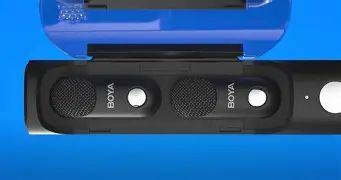
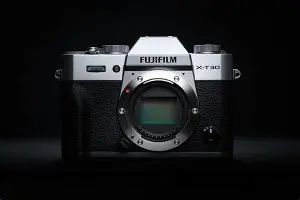
I've been using both the Fujifilm X T30 Iii and the Boya Magic for several months now, and they occupy two very different but equally important corners of my kit. The X T30 Iii is the kind of compact mirrorless camera I reach for when I want better image quality, more control over my look, and those signature Fujifilm colors. The Boya Magic is a small wireless audio system (a lavalier/transmitter + receiver combo) that I started carrying because I realized decent audio matters as much as the image itself.
In this article I want to be painfully practical and honest. What I found was that neither product replaces the other — they solve different problems — but depending on your priorities, one purchase may be a smarter first step than the other. I’ll walk through how each performed in real-world shooting, what I appreciated, what disappointed me, and ultimately who should buy which one.
My testing approach
Over the last six months I used the X T30 Iii as my primary travel and run-and-gun camera on weekend trips, street photography outings, and a handful of short-form video shoots. For the Boya Magic I used it for vlogs, interview-style clips, and livestreams over the last four months. I tested indoors and outdoors, in controlled and chaotic environments, and paired the devices with the accessories I would realistically use if I were traveling light.
Fujifilm X T30 Iii — hands-on review
What I liked
In my experience the X T30 Iii nails what I want from a compact APS-C mirrorless camera: a small, tactile body that feels satisfying to use and produces images that often need minimal correction. I loved the film simulations — they saved me time in post because the JPEGs came out with pleasing color straight from the camera. The controls are well laid out; the physical dials bring a tactile, analog feel that I still appreciate even after years of digital shooting.
Autofocus for stills and short-form video was generally reliable during my day-to-day shooting. I used it for candid street shots and quick interviews, and it kept up with typical subject movement without fuss. The viewfinder and rear screen are bright enough for outdoor framing, and the body is light enough that I didn’t mind carrying it around all day.
What bothered me
One thing that bothered me was battery life: in my experience the camera rarely lasted a full day of aggressive shooting without carrying at least one spare battery. If you're shooting long events or day-long outings, plan for spares. I also noticed that when I pushed it into very low light, autofocus could sometimes hesitate and hunt, especially with longer lenses. For run-and-gun handheld video, I missed having built-in stabilization more than I anticipated — handheld footage benefits when the camera itself helps smooth small shakes.
Another point was audio: internal mics are fine for reference audio, but I never trusted them for final use. That’s not a fault unique to this camera, but it meant that pairing the X T30 Iii with a dedicated microphone (like the Boya Magic) quickly became essential for my video work.
Use cases where it shined
- I shot quick travel stories and ended up with JPEGs that required only minor tweaks.
- Portraits and street photography — the color and skin tones are very pleasing straight out of camera.
- Short interview clips recorded with an external mic; the pairing worked well and felt professional.
Pros & Cons
- Pros: Great color/film simulations, compact and tactile body, solid image quality for its size, easy handling for travel.
- Cons: Moderate battery life, no meaningful in-body stabilization for steady handheld video, autofocus can struggle in very low light.
Boya Magic — hands-on review
What I liked
I've been using the Boya Magic primarily for talking-head videos, quick interviews, and run-and-gun vlogs. What surprised me was how much a small audio upgrade can elevate content. The Boya Magic immediately improved clarity and presence compared to my camera's built-in mic — voices sounded fuller, cleaner, and easier to understand, which meant I spent much less time fixing audio in post.
Shop the latest Cameras & Photography picks on Amazon.
View Offers →Pairing was straightforward the first time I used it: I clipped the lavalier on, hit power, and the transmitter and receiver linked up quickly. It’s small and lightweight, so it didn’t weigh down presenters or make mobile subjects feel encumbered. Battery life held up well during single-session shoots, and the included windscreens help reduce unwanted wind noise in outdoor shots.
What bothered me
One thing that bothered me was occasional RF interference and dropouts in crowded RF environments. At a busy event with many wireless systems in use, I experienced a couple of brief signal hiccups — not a constant issue, but enough to make me cautious during critical interviews. Also, the body and connectors feel somewhat plastic-y; it’s perfectly functional, but it doesn’t feel as rugged as higher-end systems.
I also noted that if you crank the preamp/gain to compensate for distance or low-level sources, you can introduce hiss. In my experience, keeping levels conservative and positioning the mic well avoids most problems.
Use cases where it shined
- Vlogging and single-person videos where clarity and presence of voice matters most.
- Quick interview setups — the speed of deployment is a big advantage.
- Live streaming when a balanced, direct audio feed to your recorder or camera is needed.
Pros & Cons
- Pros: Big improvement in voice clarity, compact and easy to use, good battery life for single sessions, effective wind protection with the foam/windscreen.
- Cons: Occasional dropouts in congested RF environments, plasticky build, some hiss when levels are pushed high.
Side-by-side comparison
Because these products serve different roles (one captures images, the other captures sound), a direct spec-to-spec face-off misses the point. Instead, here's a practical comparison that reflects how I used them together and separately.
| Category | Fujifilm X T30 Iii | Boya Magic |
|---|---|---|
| Main purpose | Image capture: photos and video with strong color science | Audio capture: wireless lavalier/transmitter system for clear voice audio |
| Portability | Compact mirrorless body, easy to carry all day | Extremely portable; clips to clothing and is very light |
| Ease of use | Friendly for photographers and videographers; dials and menus are familiar | Plug-and-play for basic use; quick pairing and simple controls |
| Best for | Anyone wanting better image quality and creative control | Anyone wanting significantly better spoken-word audio on a budget |
| Weakness | Limited stabilization for handheld video; battery life | Possible RF dropouts in congested areas; modest build quality |
| How I used them together | I mounted the Boya Magic receiver to the X T30 Iii (via hot shoe + adapter) while recording interviews and vlogs. The camera provided pleasing visuals while the Boya supplied reliable voice audio, resulting in clips that needed minimal post-editing for both image and sound. | |
Buying guide: Which should you buy first?
When deciding between upgrading your camera or your audio, ask yourself how your current content fails. Is your image flat and uninspiring, or is your audio hard to understand? In many of the projects I’ve edited, poor audio degrades perceived production value faster than imperfect visuals. With that in mind, here’s how I would advise different buyers.
If you’re a beginner on a tight budget
In my experience, start with audio. Most viewers will forgive slightly imperfect visuals, but they will quickly stop watching if they can’t hear you clearly. The Boya Magic gave me a clear, present voice track that dramatically improved simple talking-head videos. If your camera is a phone or an older DSLR, pairing it with a good lavalier or wireless system will often yield a bigger perceived improvement than upgrading the camera first.
If you already have decent audio
If you already use an external microphone and your audio is generally solid, the next most noticeable upgrade is image quality. That’s where the X T30 Iii shines — better colors, more control over depth of field, and the ability to use higher-quality lenses opens up a lot of creative possibilities. In my experience upgrading from a phone or entry-level camera to a mirrorless body like the X T30 Iii gives your work a more intentional, cinematic look.
Discover deals on Cameras & Photography — updated daily.
Browse Now →If you create mobile content often
For travel vloggers, street photographers, and people who shoot handheld a lot, consider weight and stabilization. I carried the X T30 Iii all day with a single small zoom and appreciated the compactness, but I noticed my handheld video footage benefited from a gimbal or stabilized lenses because the camera itself didn’t fully smooth motion. The Boya Magic, being tiny, is an easy audio companion for mobile shooting.
Accessories to consider
- For the X T30 Iii: spare batteries, a fast SD card, a small gimbal or stabilized lens for smooth handheld video, and a windshield if you record outdoors.
- For the Boya Magic: spare windscreens, a clip or small boom stand for interviews, and a backup battery or power bank if you have long streaming sessions.
Price-to-value and real-world ROI
One of the most practical lessons I learned in the months I used these is that the smallest improvements can yield the largest perceived value. Upgrading audio with a modest wireless system like the Boya Magic often makes your content feel more “polished” immediately. Investing in the X T30 Iii is a bigger commitment that pays off more slowly: you unlock better depth of field control, sharper images, and more creative latitude — but you also need lenses and accessories to realize that potential. In my case, starting with the Boya Magic delivered a fast return: my videos sounded better the very next shoot. The X T30 Iii, on the other hand, improved every image I took, but the full value only showed up after I paired it with a good lens and learned a few camera techniques.
Final thoughts and recommendation
After testing both for months, here’s my bottom line from personal use: if you must choose one as your first upgrade and your primary goal is producing clear, watchable videos (vlogs, interviews, livestreams), buy the Boya Magic first. What I found was that viewers notice better sound immediately, and it fixes the most common complaint I see in early video work: poor audio intelligibility.
However, if your priority is photography, or you want a clear step up in image quality and creative control for both photos and video, the Fujifilm X T30 Iii is the more transformative purchase. In my experience, the camera’s color and handling made everyday shooting more enjoyable and produced results that felt finished straight out of camera.
If your budget allows and you create both photo and video, the smartest path I took was to buy both — the small audio upgrade first to lift my video quality immediately, then the camera to improve the visuals. That combination gave me the most consistently professional-looking final clips without jumping straight to high-end cinema gear.
Conclusion
Both the Fujifilm X T30 Iii and the Boya Magic brought meaningful improvements to my work in different ways. The X T30 Iii made me look forward to shooting because the images it produced were so satisfying; the Boya Magic made me confident that my audience would actually hear what I was saying. In my experience, start with audio if you need immediate impact on videos — choose the camera if visual quality and creative control are your main goals. Either way, both are practical, real-world tools that will make your content better if you use them thoughtfully.