Iphone 17 Pro Max Review: Real User Experience After 3 Months
Category: Mobile Phones
I've been using the Iphone 17 Pro Max as my daily driver for the past three months. I bought it with the intention of putting it through real-world use — commuting, photography on weekends, video calls, heavy app usage, and travel. This review is written from that perspective: what I noticed day-to-day, what exceeded my expectations, and what I found frustrating after prolonged ownership.
Introduction
When I upgraded to the Iphone 17 Pro Max I wanted a phone that would meaningfully improve my photography, battery life, and multitasking compared to my older device. I wasn't looking for marketing blurbs; I wanted to know whether the new features translated into better day-to-day experiences. After three months, I'm ready to share what worked, what didn't, and who I think this phone fits best.
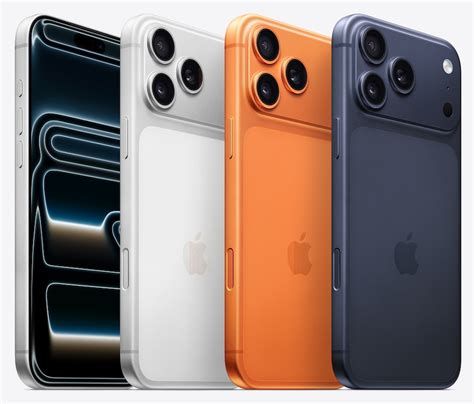
Design and Build: First Impressions that Last
Out of the box the phone feels premium — as you'd expect for a flagship. The weight is noticeable but not fatiguing; it's the kind of weight that signals quality without being cumbersome. I appreciated the matte finish on the back of my unit because it hides fingerprints better than glossy alternatives. The edges are slightly more rounded than my last device, which made it more comfortable to hold during long browsing or reading sessions.
One thing I noticed early on was the new button feel. The side button and volume rockers have crisp feedback, and the mute switch (if present on your carrier model) operates smoothly. The camera bump is still there and attracts the inevitable wobble when the phone is laid flat on a table — something I solved with a thin case.
After three months with a light case and no screen protector (I know, risky), I have a couple of minor hairline scratches at the bottom edge where my keys scraped it once, but the display glass has held up well. The finish did take a subtle scuff after I dropped it once onto asphalt; it wasn't catastrophic, but it reminded me that flagship glass is still glass.
Display: Daily Use and Media Consumption
The display is easily one of the phone's strongest points. Brightness in daylight has been excellent for me — I didn't struggle to read notifications when I was outside under direct sun. Colors look lively without feeling oversaturated, and the adaptive refresh animation has a buttery feel in most apps. Touch responsiveness is consistent, which makes scrolling and gaming more pleasant.
Where I was pleasantly surprised was with HDR video playback. I watched a few high-quality streaming episodes and some personal 4K footage I shot, and the contrast and depth were noticeably richer than my previous phone. One small annoyance: certain third-party apps still don't handle the dynamic refresh rate perfectly, which results in slight judder when scrolling. It's not a deal breaker, but it's noticeable if you use a lot of niche apps.
Performance: Real-World Snappiness
In my experience the phone feels fast in everything I do: app switching, photo edits, multitasking between mail, messaging, and a video call. Gaming performance is excellent for prolonged sessions, though the phone does warm up under sustained heavy load (I saw temperatures climb after 20–30 minutes of high-frame-rate gaming). The thermal behavior didn't throttle performance in my tests, but it did make the phone warmer to hold.
Storage and memory have been more than adequate for my usage pattern. I frequently shoot high-resolution photos and videos and store several productivity apps and games. I opted for a higher-capacity model to avoid managing storage aggressively, and that paid off — I rarely had to offload content to cloud storage.
Battery Life: What I Actually Got
Battery life is always a top concern for me. After three months I steady at about 6–7 hours of screen-on time with mixed use (email and chat throughout the day, an hour of navigation, some social, photography, and a couple of streaming sessions). On lighter days I could stretch it to a day and a half. Overnight standby drain has been modest; I sometimes wake up to 95–97% after a full night, which I appreciate.
Find top-rated Mobile Phones products at great prices.
See Deals →Charging speeds are decent for daily convenience; a 30–40 minute top-up in the morning gets me through a busy few hours. I should note I usually charge wired at home and use wireless charging occasionally. Fast wired charging is handy, but thermal management means the phone slows down the charging rate as the battery nears full, which is smart for battery longevity but slower than some competing devices that prioritize raw charging speed.
Camera: The Features I Use and the Ones I Ignore
Photography is probably the single biggest reason people upgrade their phones, and it was for me too. In daylight the camera system produces sharp, well-detailed photos with pleasing colors. Portrait shots are excellent in natural lighting; edge detection has been better than I expected, and skin tones look natural without the usual over-processing.
Low-light performance has improved compared to my older device, but it's not magic. Night shots require slightly longer processing, and the phone sometimes leans into brighter exposures that can reduce contrast in busy scenes. I appreciated the heavier-handed stabilization for handheld video — it made walking shots far more usable without a gimbal.
I used Pro modes occasionally for long-exposure shots and appreciated the additional control. The default computational processing does a great job for most scenarios, so unless I'm shooting with a purpose (e.g., capturing a complex long exposure or doing a RAW edit), I let automatic settings handle things.
Two disappointments: 1) some telephoto shots beyond medium range lose a bit more detail than I expected, and 2) the ultra-wide can still suffer from edge softness in certain architectural shots. Both are manageable but worth mentioning if you prioritize long-range telephoto or critical ultra-wide clarity.
Software and Ecosystem: iOS Experience
In my experience, the phone's software remains one of its biggest strengths. iOS is consistent, secure, and integrates smoothly with my laptop and tablet. Handoff and continuity features simplify moving tasks between devices, and iCloud backups are reliably fast. I appreciate the incremental refinements: small UI tweaks and newer privacy settings that actually make a difference in how I manage app permissions.
That said, there are moments when I feel locked into the ecosystem — some integrations are brilliant, but they assume you have other devices from the same brand. If you have a mixed-device household, you might find certain conveniences less seamless. I also noticed software updates introduced a couple of minor bugs on my device during the three-month period — mostly small UI glitches that were fixed in subsequent patches.
Call Quality, Speakers, and Microphones
Call quality has been solid. VoLTE and Wi‑Fi calling on my carrier worked without frequent drops, and people on the other end told me my voice sounded clear even in noisy environments. Speakers are loud and well-balanced for media and conference calls. Microphones do a good job filtering ambient noise during calls, and voice notes captured clearly during walks and transit sounded great.
Everyday Features I Grew to Appreciate
- Haptics: The haptic motor gives satisfying feedback for typing and system interactions. I found it subtle improvements in message replies and notifications made frequent interactions feel more refined.
- Face unlock and biometrics: Face recognition has been fast and reliable, even in lower light. Using it for authentication in apps and payments has remained hassle-free.
- MagSafe/accessory compatibility: I use a magnetic wallet and a charging pad occasionally; both attach securely and are convenient for short pauses when I'm out.
Durability and Real-World Wear
After three months I have minor cosmetic wear on the case edges, and that single drop left a small scuff on the back edge. I appreciate the IP rating for water resistance because it takes away worry in the rain, but I still avoid deliberate submersion. The screen glass has held up well so far, but I recommend a screen protector and a slim protective case if you're clumsy like me.
What Frustrated Me
One thing that bothered me was that some third-party apps still aren't fully optimized for the phone's newer display behaviors, which shows up as inconsistent refresh rates or layout quirks. Another annoyance: while battery life is very good in typical use, heavy camera/video or gaming days pushed it down faster than I'd like, meaning I had to plan mid-day charging on those occasions. Finally, the price felt steep for certain configurations. If you're price-sensitive, weigh how much you truly use the advanced camera and display features before committing.
Find top-rated Mobile Phones products at great prices.
Browse Now →Pros & Cons
- Pros
- Excellent display for media and daily use with bright highlights and good color balance
- Consistently fast performance in apps and multitasking
- Strong camera output for daylight, portraits, and stabilized video
- Good battery life for mixed usage — reliably gets me through a day
- Solid software ecosystem and frequent updates
- Cons
- Higher price point for larger storage configurations
- Telephoto and ultra-wide can show limitations in certain conditions
- Some third-party apps not fully optimized for the display/refresh rate
- Warms under prolonged heavy load (gaming, long 4K recording)
Comparison Table: My Iphone 17 Pro Max vs My Previous Phone (iPhone 13 Pro Max)
| Feature | Iphone 17 Pro Max (my unit) | iPhone 13 Pro Max (my previous) |
|---|---|---|
| Daily Performance | Smoother multitasking, faster app launches | Still capable but slower under heavy loads |
| Display | Brighter, more adaptive, better HDR playback | Good, but less dynamic HDR and brightness |
| Camera | Improved low-light and stabilization; better portraits | Great photos but more noise in low light |
| Battery | About 6–7 hours SOT with mixed use | About 5–6 hours SOT with the same usage |
| Software | Latest OS with feature refinements | Stable, but missing new features without an update |
| Durability | Minor scuffs after three months; glass held | Similar wear pattern over longer ownership |
Buying Guide: Who Should Consider the Iphone 17 Pro Max
In my experience, this phone makes the most sense for these types of people:
- Mobile photographers and content creators: If you regularly shoot photos and handheld video and want better stabilization and image processing out of the box, you'll benefit from this device.
- Power users: If you juggle many apps, rely on multitasking, and want consistent performance over time, the phone delivers that smoothness.
- Longevity seekers: If you value a phone that receives software updates for years and integrates tightly into an existing ecosystem of devices, it's an attractive option.
Consider skipping or delaying the upgrade if:
- You primarily use your phone for casual calls, social media, and light browsing — the differences may not justify the cost compared to a less expensive model.
- You don't care about the top-tier camera features or faster chipsets and prefer value over the latest specs.
Which Storage and Case Options I Recommend
I recommend choosing a storage tier that avoids frequent cloud juggling. If you shoot a lot of video or keep many offline media files, extra storage is worth the premium for the convenience. For case choice, I went with a slim protective case that added grip without covering up the phone's finish. If you like wireless charging or magnetic accessories, make sure your case is MagSafe compatible.
Carrier and Connectivity Tips
Check eSIM and dual-SIM compatibility with your carrier before buying if you plan to travel internationally or run a personal and work number simultaneously. Also, if you rely on advanced carrier features like Wi‑Fi calling or VoLTE, verify support ahead of time so you don't stumble over unexpected limitations.
Final Thoughts and Conclusion
After three months of daily use, what I found was a phone that refines many of the things I care about: a bright, responsive display, dependable battery life, and a camera system that reliably captures moments I want to keep. I was surprised by how much I appreciated the little software and haptic refinements — they add up to a more pleasant daily experience.
That doesn't mean it's perfect. If you're chasing the absolute fastest charging, or you need perfect telephoto clarity at extreme ranges, you'll find trade-offs. I noticed that heavy camera use and gaming warm the device, and some third-party apps lag behind in display optimizations. Those are real, but manageable for me.
In my experience, if you value a premium, cohesive mobile experience and prioritize camera/stability improvements and ecosystem features, the Iphone 17 Pro Max is worth strong consideration. If you're budget-conscious or indifferent to those incremental improvements, you might be better served by a lower-tier model or waiting for promotional pricing.
Overall, this has been a satisfying upgrade for my needs. It's a powerful, polished device that feels made for everyday creation and consumption, and after three months I'm still enjoying using it every day.