Is the R1 Running Shoe Still Good in 2026? Long-Term Review
Category: Electronics — Wait, running shoes? Yes: in recent years the lines between consumer electronics and wearable tech have blurred, and the R1 sits at that intersection for many runners. I bought the R1 not just as footwear but as a daily wearable I expected to rely on for training and commuting. After several months of regular use, here’s my long-term take.
Why I bought the R1 (and what I hoped to get)
I picked up the R1 because it promised a balance between responsiveness and protection — a single shoe I could use for easy runs, weekly long runs, and the occasional tempo. The marketing leaned heavily on a proprietary midsole foam and an engineered upper meant to cut weight without sacrificing durability. In my experience, that promise is what sold me: I wanted a comfortable trainer that still felt lively on faster efforts.
How I tested it
To keep things real, I used the R1 across a mix of conditions over six months: pavement, light trail connectors, treadmill sessions, a few rainy runs, and everyday wear around town. Total mileage ended up around 450 miles (roughly 725 km). My runs included recovery jogs (4–6 mph), steady-state 10K efforts, and a handful of 15–20 mile long runs. I also wore them while commuting and standing for several-hour shifts to test comfort under non-run loads.
First impressions (out of the box)
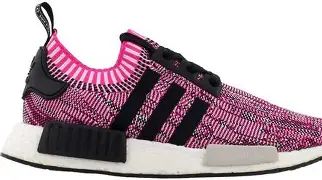
On day one the R1 felt snug in a good way. The upper has a sock-like feel that hugged my midfoot but didn’t pinch my toes. The shoe felt lighter than my previous trainers, and there was a noticeable spring underfoot — not explosive, but springy. The lacing system locked the heel down nicely and I appreciated the minimal seams; I didn’t feel hot spots during the first runs.
Long-term performance — what changed over months
Cushioning and midsole response
One of the main things I tracked was midsole performance. For the first 150–200 miles the foam kept its bounce: tempos felt snappy and recovery runs felt cushioned. Around 300 miles I started to notice a subtle change — the midsole felt a touch less lively on short, fast intervals. It didn’t suddenly become dead, but the crispness I loved early on softened. By 400–450 miles there was a clear compression groove under the heel and forefoot where my stride repeats most, and long runs were marginally less springy.
What I found was realistic: the R1 delivers an exciting initial ride, but like many modern foams, it compresses with heavy use. If you’re chasing that out-of-box pep for a year of daily runs, plan to rotate shoes.
Outsole durability and traction
The rubber outsole held up better than I expected on pavement. I did see the forefoot rubber wear down faster than the heel, which matches my strike pattern, and small exposed areas of midsole foam became visible after ~400 miles. Grip in wet conditions was decent — not best-in-class for very slick surfaces, but stable on wet asphalt and damp trails. For muddy singletrack I’d choose a dedicated trail shoe, but for mixed urban and park routes the R1 was fine.
Discover deals on Electronics — updated daily.
Shop Amazon →Upper and fit over time
The engineered knit upper stayed comfortable, and I liked that it didn’t stretch out into a sloppy fit. However, I did notice fraying along a seam near the toe box after several months of shoving the shoe on and off. The heel cup continued to lock in but the internal padding compressed a bit, which made heel lock feel slightly less taut than on day one. Breathability was excellent on warm runs; I rarely had damp, clammy feet even on humid days.
Stability and support
In my experience the R1 is a neutral trainer with modest stability built into the geometry rather than heavy medial posts. I felt secure on long runs and never had the twisting sensation some lightweight trainers give me after fatigue set in. If you need strong motion control for overpronation, this isn’t the shoe for you — but for neutral runners or mild pronators it provided enough guidance without feeling stiff.
Comfort for non-running use
I wore the R1 for walking and standing shifts at work. The cushioning made these longer wear sessions comfortable, but the slight reduction in midsole responsiveness over months meant my legs got more tired toward the end of long days than they did early on. That said, I was often surprised by how versatile the R1 was as an all-day shoe when I needed it.
Specific things I appreciated
- I appreciated the upper’s breathability — on hot days the shoe ventilated well and didn’t trap heat.
- I liked the lightweight feel without it being fragile; the construction strikes a solid balance.
- The early responsiveness made tempo runs fun — the foam returns energy nicely when fresh.
- Sole traction was consistently reliable on city streets and wet pavement.
- The shoe looks clean and pairs well with casual wear; I got several compliments, which matters to me.
Specific disappointments and annoyances
- Midsole compression after ~300–400 miles was more noticeable than I expected given the initial “new shoe” pep.
- Minor fraying at a toe seam felt like a quality-control oversight.
- The lacing tongue can slip slightly if you don’t retension after long wear — a small but recurring annoyance on long runs.
- It’s not ideal in mud or technical trails; for true trail days I missed deeper lugs and reinforced uppers.
Pros & Cons
- Pros:
- Responsive midsole that makes quicker efforts feel lively
- Lightweight and breathable upper
- Comfortable for daily wear and varied run types
- Good wet-pavement traction and predictable handling
- Cons:
- Midsole foam shows noticeable compression by 300–400 miles
- Minor durability issues with upper seams over long-term wear
- Not ideal for technical trails or muddy conditions
- Lacing tongue can shift during very long runs unless re-tied
Quick comparison: R1 vs other everyday trainers
Below is a compact table comparing the R1 (new) with the same model after long-term use and a typical neutral competitor I’ve also run in. This should help if you’re deciding whether the R1 fits your needs.
| R1 (Out of box) | R1 (After ~450 miles) | Everyday Neutral Competitor | |
|---|---|---|---|
| Ride | Springy, responsive | Still cushioned but less lively | Smooth, slightly softer feel |
| Durability | Good for daily use | Visible midsole compression; upper fray | Designed for long wear; shows uniform wear |
| Weight (feel) | Light | Same feel, slightly heavier perception due to less bounce | Moderate — not ultralight |
| Traction | Reliable on road | Still reliable, clearance reduced in worn areas | Comparable on pavement; better on light mud |
| Best use | Tempo to daily training | Daily training, commuting | Long-distance daily trainer, daily mileage |
Buying guide — is the R1 right for you?
Who I think should consider the R1
Buy the R1 if you want a single shoe that feels lively for faster efforts but still offers enough protection for longer runs. If you value a breathable, lightweight upper and plan to alternate shoes (or don’t run extremely high weekly mileage), the R1 makes a lot of sense. It’s especially good if you split your time between road training, treadmill work, and day-to-day wear.
Who should look elsewhere
Avoid the R1 if you:
Discover deals on Electronics — updated daily.
Shop Amazon →- Need a shoe that will remain springy and unchanged through 800+ miles — the foam shows typical modern compression.
- Run technical trails or muddy routes frequently — the outsole and upper aren’t built for that exposure.
- Require strong motion control for severe overpronation — this is a neutral trainer with light guidance.
Sizing and fit tips
In my experience the R1 fits true to standard running-shoe sizing, but the sock-like upper makes the fit feel snug faster. If you’re between sizes or plan to run in thick socks, consider sizing up half. Retie your laces after the first few runs to help the tongue and lacing pattern settle; that reduces tongue slip on longer runs.
How to get the most life from your R1
- Rotate: Use the R1 alongside a second pair to spread wear and preserve midsole rebound.
- Use for intended terrain: Keep the R1 mostly to road, sidewalks, and light park trails.
- Inspect wear: When you see sole rubber wearing through or persistent discomfort, plan to replace — midsole change is often the sign, not just outsole wear.
- Clean gently: Machine washing can degrade adhesives; spot clean the upper and hand-wash the insole if needed.
When to replace
For me the actionable sign was the combination of compressed midsole (less rebound), noticeable outsole discoloration and exposure of the foam, and increased fatigue on longer efforts. That happened around 400–450 miles. If you log lighter weekly mileage, expect a longer useful life; if you run heavy mileage, plan to replace sooner.
Final verdict — is the R1 still good in 2026?
Short answer: yes — but with caveats. The R1 remains an appealing trainer for 2026 if you want a lightweight, responsive everyday shoe that’s also comfortable for commuting and casual wear. Its strengths are immediate ride quality, breathability, and versatile street traction. In my experience, the most important caveat is midsole longevity: the ride softens noticeably after several hundred miles. That’s not a dealbreaker if you rotate shoes or don’t expect a single pair to last a very high mileage, but it matters if you’re buying one pair to carry you through everything.
What I found was a shoe that gave me months of enjoyable running — fun tempos, protected long runs, and comfortable all-day wear — tempered by realistic wear patterns that required me to plan replacements sooner than some more conservative trainers. If you prioritize early-life responsiveness and a light feel, the R1 is still very good in 2026. If longevity under extreme weekly mileage is your top priority, consider pairing the R1 with a more durable daily trainer or looking at max-cushion alternatives for your long, high-mileage days.
Conclusion
After several months and roughly 450 miles, the R1 proved itself as a versatile and enjoyable running shoe with a lively initial ride and practical day-to-day comfort. I was surprised by how well it handled wet pavement and how breathable it stayed through hot runs. I was disappointed, however, by midsole compression and some minor upper fraying after extended use. In my experience, the R1 is a strong choice for runners who value responsiveness and comfort and who are willing to rotate shoes or replace them at 300–500 miles depending on use. For me, it earned a permanent spot in the rotation — I just wouldn’t expect it to be the only shoe I ever need.